في 15 تموز 2015, تم إغلاق أحد أكبر مطامر النفايات المعتمدة في لبنان لأسباب عديدة أهمها: عدم توافقه مع شروط السلامة الصحية, تجاوز طاقته الاستيعابية, و معارضة السكان على استمرارية هذا المطمر. ففي خلال عام 1998,انشئ مطمر الناعمة كموقع مؤقت في إطار خطة الطوارئ للتخلص من كميات فائضة من النفايات الصلبة على أساس أن يتم إغلاقه فور استنفاد طاقته الاستيعابية المحددة في البدء. لكن الحكومة استأنفت استعمال المطمر وتوسيعه رغم تجاوز طاقته الاستيعابية حيث أصبحت النفايات تعالج بشكل غير مطابق للمعايير الصحية مما تسبب في خلق أجواء سامة و تعرض صحة المقيمين للخطر.
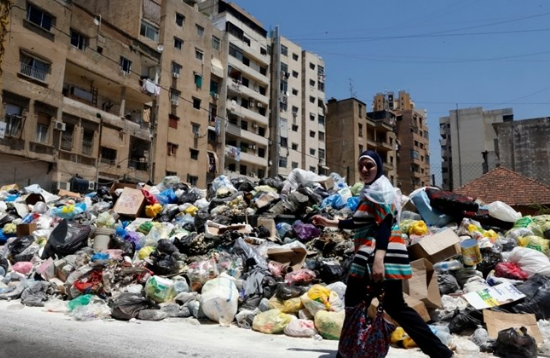
بعد إغلاق مطمر الناعمة صيف 2015,لم تضع الحكومة اللبنانية أية مخططات لحل هذه الحالة الطارئة وبالتالي تراكمت النفايات في الشوارع و على ضفاف الأنهار في بيروت و جبل لبنان.بالإضافة, اعتبرت هذه الأزمة من أسوأ الأزمات التي مرت على لبنان في التاريخ حيث اعتمد رمي النفايات و الحرق العشوائي لها في أماكن عامة وغير مشروعة مما أثر على الصحة العامة للسكان و أدى إلى انتشار أمراض خطيرة ومميتة. بعد مرور عدة أسابيع على أزمة النفايات، قام المواطنون باحتجاجات واسعة في وسط بيروت مما أجبر الحكومة على العمل الجدي لإيجاد حلول للوضع المتفاقم. منذ ذلك الحين, شرعت الحكومة في تكوين لجان مختصة في شؤون البيئة تضم خبراء من القطاع الصناعي للإتيان بحلول مؤقتة لإخراج البلاد من هذا الوضع الكارثي.
طرحت عدة حلول من قبل الحكومة من ضمنها إعادة فتح مطمر الناعمة. بسبب غياب أي حل فوري و تفاقم حدة وخطورة الوضع, تم إعادة فتح المطمر بشكل مؤقت و لكن تم إقفاله بعد ستين يوماً بسبب كثرة الشكاوى من المواطنين المجاورين لتلك المنطقة. و من ضمن الحلول الأخرى التي نظرت إليها اللجنة هي شحن النفايات إلى مطامر خارج البلاد ولكن الخطة لم تكن مكللة بالنجاح.
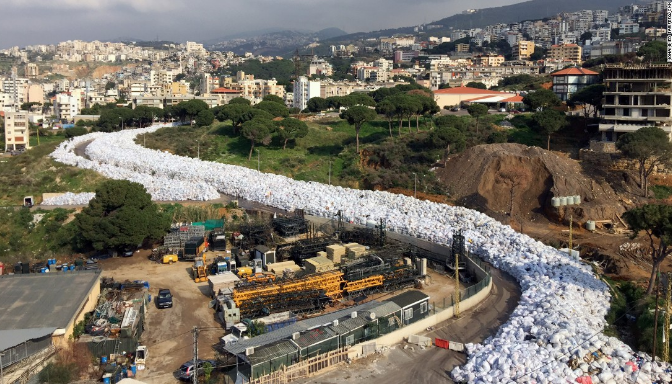
بعد عدة محاولات فاشلة, قررت الحكومة بناء مطمرين, مدة استعمالهما محصورة في أربع سنوات, في المنطقتين الشمالية (برج حمود) والجنوبية (كوستا برافا) لبيروت .ولكن انتقد هذا الحل المؤقت بشدة من قبل السكان حيث أثبتت تجارب سابقة إمكانية وقوع الحكومة في نفس الثغرات التي تواجهها الآن. في الوقت الراهن,استعملت أجزاء جاهزة من مطمر الكوستا برافا للتخلص من النفايات الفائضة المتراكمة في شوارع بيروت. من ناحية أخرى، تلقى مطمر برج حمود الكثير من التدقيق الإعلامي والمعارضة العامة و الجدير بالذكر, أن المنطقة تتميز باكتظاظها السكاني و أحيائها الفقيرة. إضافة إلى ذلك,إن مطمر برج حمود كان سابقاً مكباً للنفايات حيث تم إغلاقه لعدم اتباعه المعايير الصحية و قربه من المناطق السكنية . و بالتالي، رفض السكان بناء هذا المطمر لكن الحكومة استأنفت أعمال البناء و قدمت ضمانات حول إتباع المعايير الصحية في تنفيذ المطمر.
بالنسبة لمبدأ استرداد الطاقة, قام مجلس الإنماء والإعمار منذ عدة أشهر , بفتح مناقصة لبناء منشأة تحويل النفايات إلى طاقة. تسعى هذه المناقصة إلى بناء منشأة سعتها 2000 طن بالتالي تساهم في تخفيف كمية النفايات التي تذهب للطمر. أدان الإعلام والخبراء البيئيين هذا الحل بشدة إذ أن المحارق قد تنتج مخاطر صحية و بالتالي تضع لبنان على مسار أكثر خطورة في حال عدم إتباع الإجراءات الصحيحة و السليمة.
تعتبر جميع الحلول المقترحة إلى حد الساعة, قصيرة المدى وغير مستدامة إذ لا تضع حداً لأزمة النفايات. في الوقت الحالي, يتم جمع النفايات من طرف الشركة الخاصة سوكلين حيث تتكفل بمعالجتها و تخزينها مؤقتا في موقف للسيارات في برج حمود إلى حين إنهاء بناء المطمر. رغم ذلك, لا تزال النفايات تتراكم في ضواحي بيروت و تملأ شوارعها مما يؤدي إلى ظروف غير صحية تسهم في انتشار الأمراض بين السكان. و إلى حين إكمال بناء المطمر, تظل الخسائر البيئية والصحية في تزايد مستمر بسبب تلوث موارد المياه السطحية (البحر, الأنهار والبحيرات)و تلوث الهواء (انبعاث غازات سامة مثل :CH4, H2S, CO2, PM 2.5).
من المعيقات الأساسية التي تؤثر على إدارة النفايات في لبنان هي: النفوذ السياسي، النمو السكاني، انعدام الشفافية في تطبيق الأنظمة ، وعدم التنسيق في تنفيذ القوانين. اقترح الكثيرون أن نظام اللامركزية يركز على الفرز من المصدر, هو مفتاح تشكيل نظام سليم لإدارة النفايات. يعتمد مبدأ نظام اللامركزية على نقل مسؤولية اتخاذ القرار من مستوى حكومي إلى مستوى محلي أي على صعيد البلديات .وهذا بالتالي يتيح لأعضاء البلديات تنفيذ العمليات والقرارات فيما يخص إدارة النفايات بشكل أسرع و أكبر.
لتنفيذ هذا النظام والتغلب على الحواجز المذكورة سابقاً ، يتعين القيام بما يلي:
تعزيز التشريعات فيما يتعلق بإدارة النفايات بإضافة المزيد من القوانين المحددة والواضحة التي تحمي البيئة والصحة العامة.
وضع استراتيجية وطنية شفافة,دقيقة, ومحددة لإدارة النفايات بالتعاون مع الأطراف المعنية, المنظمات اللاحكومية, البلديات, خبراء و ممثلين عن الشعب من أجل تنفيذ ،تعاون، و فهم أفضل.
فرض القوانين وملاحقة الأطراف المخالفة للقانون.
تدريب جميع الموظفين في مختلف المناصب الإدارية (الحكومية والبلدية) على مفاهيم إدارة النفايات الصلبة و أهمية البيئة وحماية الصحة العامة.
إطلاق حملات التوعية لتشجيع تنفيذ نظام فرز نفايات في حاويتين ( العضوي والغير عضوي) بين السكان المحليين و البلديات و حث وسائل الإعلام على تسليط الضوء على مفاهيم فرز النفايات وإدارتها .
نقل عملية اتخاذ القرارات المتعلقة بإدارة النفايات في المدن إلى السلطات المحلية بعد القيام ببرامج تدريبية كافية للموظفين والسكان المحليين المعنيين بهذه المشاريع.
من أبرز الأمثلة الناجحة عن نظام اللامركزية هو منشأة بيت مري لفرز النفايات في لبنان . تعتبر هذه المنشأة أكثر من قصة ناجحة حيث لم يسلط عليها الضوء من قبل الإعلام نظراً لأزمة النفايات الحالية.تعتمد هذه المنشأة على أساليب بسيطة تبدأ من الفرز من المصدر عن طريق فصل المواد العضوية عن غير العضوية مما يتيح إستعادة المواد القابلة لإعادة التدوير بشكل أفضل . في التاسع من تشرين الثاني 2016، تمت معالجة 777 طناً من النفايات الصلبة على الشكل التالي: جزء تم إعادة تدويره و جزء تحول إلى سماد في حين تم ضغط المواد المتبقية تحت تأثير حرارة عالية و تحويلها لألواح بناء إيكولوجية. وبالتالي لم يتم إرسال أية مواد للمطمر مما يتوافق تماما مع مفهوم صفر نفايات.
لا يزال نظام التسلسل الهرمي للنفايات مرجعا رئيسيا للإدارة السليمة للنفايات حيث الحرق و طمر النفايات ليسا الخيارين الأكثر استدامة نحو حل أزمة النفايات. ينبغي على المسؤولين في السلطة، المنظمات الغير حكومية، و البلديات أن تستثمر في خيارات صديقة للبيئة و عملية مثل فرز من المصدر، حملات إعادة التدوير، و برامج التسميد. مع الرئيس المنتخب حديثا، يتطلع المواطنون لمستقبل أفضل و يأملون أن ولايته ستجلب التغيير الإيجابي بدءاً بإنشاء نظام كلي لإدارة النفايات.
ترجمة حفيدة أبوالفرج
المقال الأساسي بقلم نور قانصو
الرابط: http://wastelessfuture.com/lebanese-waste-crisis-how-it-all-started/
عن نور قانصو:
 تعمل نور كمستشارة و باحثة بيئية في القطاع الخاص في بيروت، لبنان. عملت على عدة مشاريع أهمها :دراسة تقييم أثر بيئي ، إدارة معمل لفرز النفايات الصلبة و دراسة الرصد البيئي لمكب النفايات. نور حاصلة على شهادة ماجستير في تكنولوجيا البيئة من جامعة Imperial College London ، و شهادة البكالوريوس في الصحة البيئية من الجامعة الأمريكية في بيروت. في وقت فراغها ، تحب أن تتطوع في قضايا تخص البيئة لجلب المزيد من الاهتمام والوعي حول مسائل النفايات الصلبة.


